A chronically over-caffeinated introvert’s guide to Austin and SXSW for international visitors

Culture, keeping it weird, and why SXSW is hard to understand
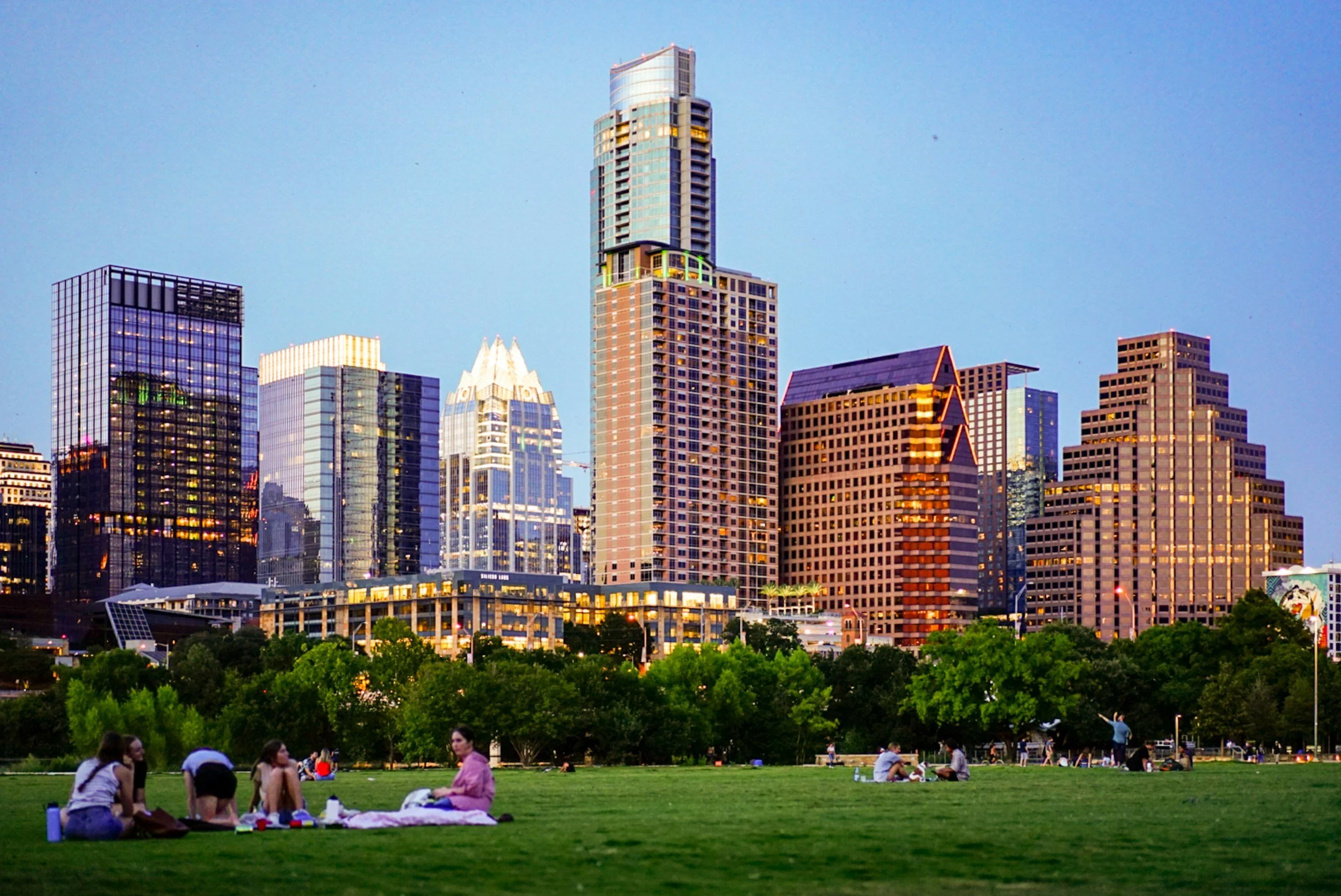
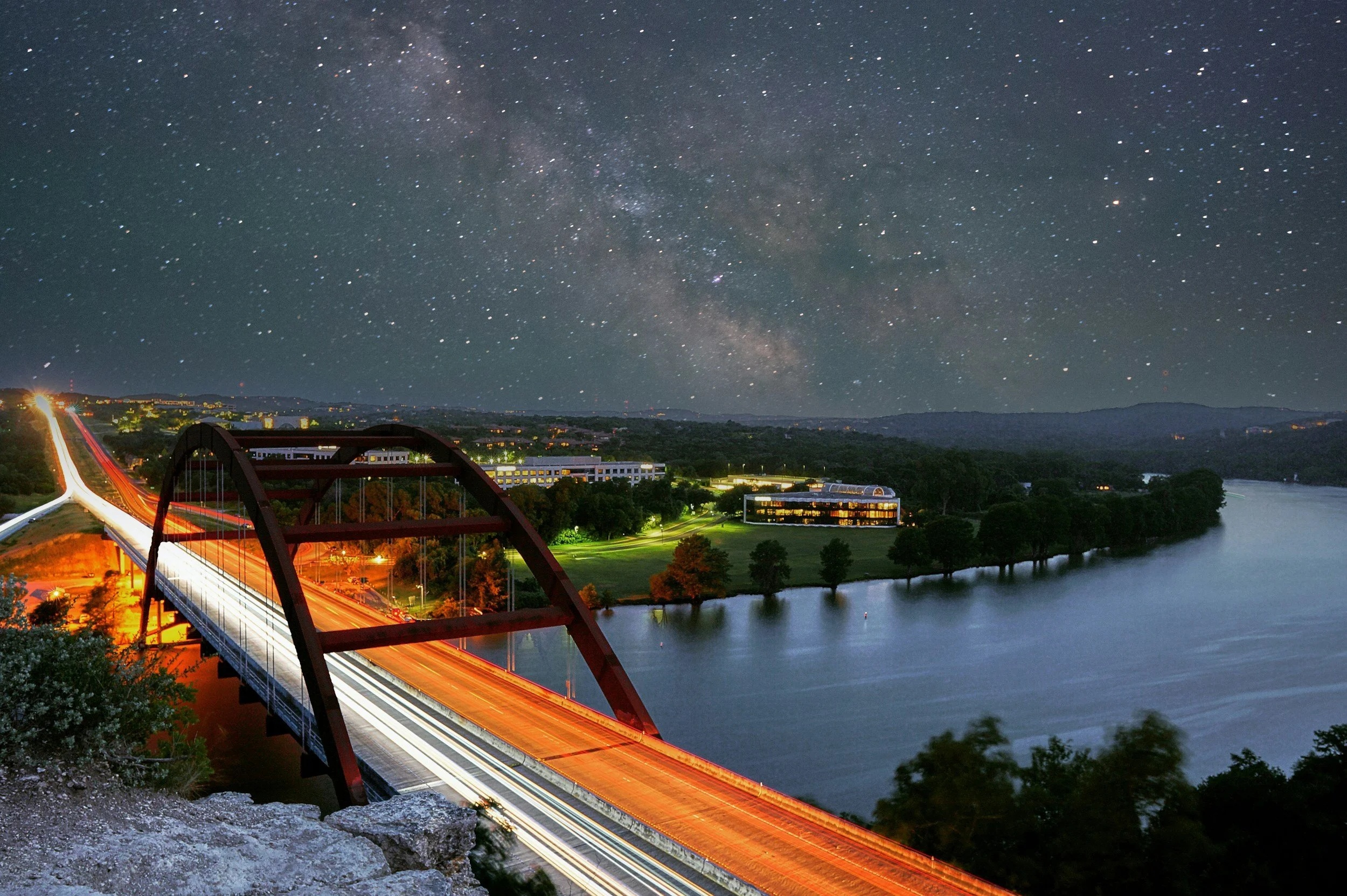
If you haven’t been to Austin before, it may not be what you have in mind. It’s a bit like the Vatican City: it’s own unique island sharing only occasional cultural trait with the surroundings (tacos, cowboy hats donned on a spectrum of irony, and the assumption that “nice jeans” constitute business wear).
That’s to say that it’s in Texas, but not Texas. Not in the broader cultural sense, anyway, though perhaps in the Norwegian use.
Austin has long been the refuge of the weird, artistic, and those whose parents back in the suburbs didn’t quite know how to describe what their kid was doing with their life. Naturally, this made the perfect environment for entrepreneurship.
SXSW will do its very best to tell you its a grown-up conference for serious people, and serious people do find themselves among us on a surprisingly regular basis, but don’t be fooled: SXSW is Austin’s Festival of Austin. It is, on any given year, what we say it is.
This is why so many visitors arrive, get pulled into the whirlpool of chaos and spat out a week later, dazed, confused, and with only a faint idea of how they’ve spent thousands of dollars for a suitcase of tchotchkes, a couple hundred new contacts (half of which were met in line in an unrelated industry), and the vague sense that they could probably do with a green juice, a nap, and concert-grade earplugs (if only to vary the tones of relentless self-promotion).
It’s neither a conference in the traditional sense, nor a festival, nor a forum. It’s zeitgeist manifested with a side of kimchi tacos.
This is important to know because, unlike a tech show like CES, the majority of events at SXSW are unofficial and hosted by locals. And these evolve every year based on the time-honored technique of vibes.
So when you come to Austin for SXSW, you’re not just seeing the inside of a conference hall (and as it happens, we don’t have one of those this year). You’re seeing Austin.
Some useful context about Austin
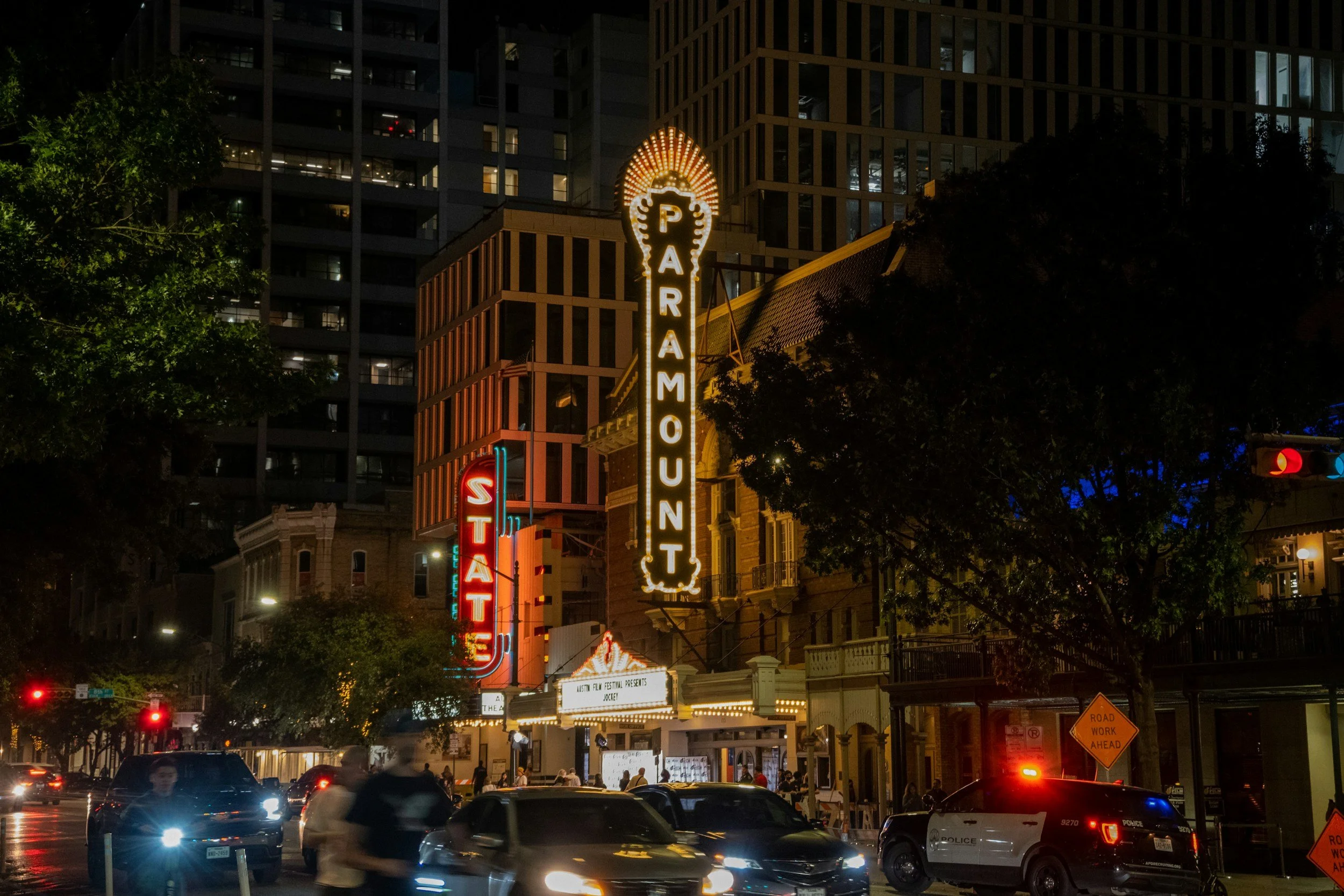
Austin is a university town, so it’s young, vibrant, and—with several sprawling nightlife districts—slightly sticky. Dirty Sixth is the OG and is usually hosed off in advance of SXSW in respect for our guests. East Sixth is Dirty Sixth’s younger, hipper sibling who only moved to Austin a few years ago after its startup HQ relocated from California. Whether something is considered East or West has nothing to do with the East-West assignment on the street address but rather where it is located in relation to I-35.
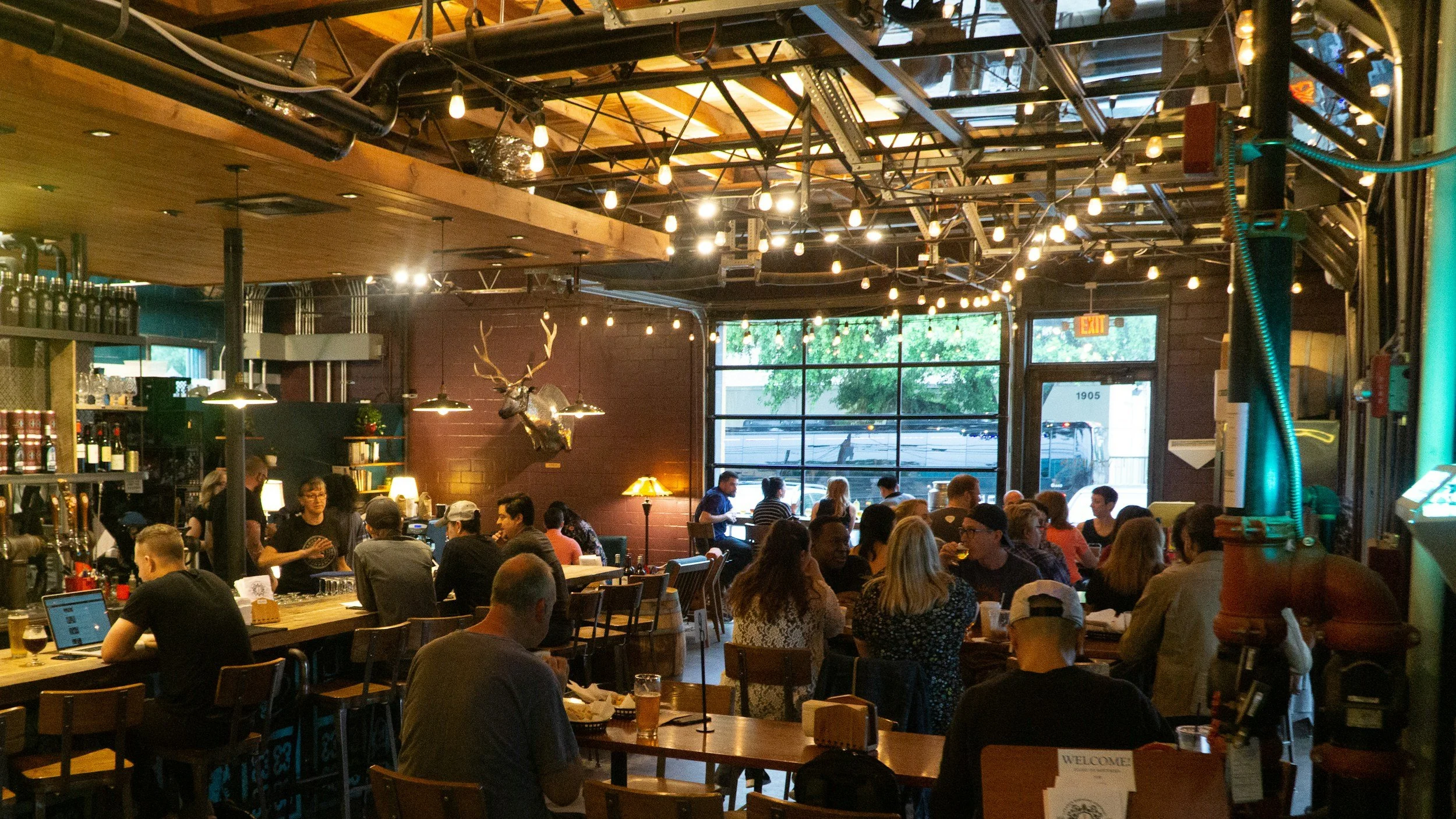
As the countercultural odd one out, Austin has traditionally been a haven for artists and musicians. We proudly declared ourselves the “Live Music Capital of the World” and ran the city with the motto “Keep Austin Weird.” Our finest afternoons were spent in old lawn chairs outside coffee shops chatting with strangers or on the grassy slopes of Barton Springs, where someone would entertain with a guitar and everyone was welcome. Austin was where you could be whatever you were and no one much cared: parents back in the suburbs weren’t asking and we weren’t telling. Have a terrible idea for a business that sounds like a ton of fun? You’d have a co-founder, funding, and a hot desk before you ever left the park. Of course, that was in the Good Old Days™–it’s a bit more complicated than that now, but Austin is still pretty good in that way. The spirit of “let’s go find out!”, of risk-taking, collaboration, and long evenings swapping ideas under string lights and Willie Nelson covers is the very fabric of Austin. This relaxed, “what do we have to lose?” attitude combined with the open spirit of our artist class set the stage for the startup scene you see today. Unlike California, it wasn’t money or pedigree. It was that none of us had either of that to lose.
The political tone of Texas legislation does not map neatly onto Austin business culture; the innovation community here is fairly globally oriented and often more aligned with European perspectives than you’d expect from headlines. We are well aware of this dynamic. Austinites, however well trained and generally housebroken we may be, will probably talk to you about politics the moment we learn you are from Elsewhere. Please forgive us. Traditionally, Austin is known as a blue dot in a red sea, a left-leaning, progressive city surrounded by the Republican-led rural areas. It is also the capitol of Texas, which means that Republican administration of the state is an uphill stumble from the bars hosting rallies a few blocks away. This means that the locals you encounter tend to live on the pulse of politics and current events, and tend to be more informed than is likely recommended for healthy blood pressure. It is highly likely you’ll hear immediate acknowledgements of our current affairs with curiosity for your opinion and a genuine appreciation that you’re visiting the US.
Texas is a big and varied state, distinguished primarily by our common disdain for different football teams. Texas is not part of the South in any meaningful way; this will open deep, emotional conversations for which you are unlikely to be prepared lest you already have several drinks in you and no place to be next. Texas is its own region, with its own microcultures, which is often why Texans will respond “Texas” as where they are from when asked.
Austinites will talk to you and, in keeping with American stereotypes, will get right down to business, especially in the fast-paced movement of SXSW. Even if shrouded in quips about how it’s so hot the pavement is melting or how long the line is, small talk is functional: do we like each other, are we helpful to each other, and do we need to continue to know each other. Expect to be asked why you’re here and what you want rather abruptly; know that it’s not intended to be rude, but rather to avoid potentially missing a meaningful connection because the line moved forward or an event started. Speed networking and rapid impressions is the name of the game, so directness and being very practical about exchanging information are tools worth preparing.
A few fast facts and good-to-know things about Austin
Austin is laid out on a grid divided by the river and I-35. When asking directions (particularly on Congress), you’ll benefit by asking which side of the river or (for streets like Cesar or 6th) which side of I-35. Rivers and highways are absolute; “east” and “west” are relative.
Austin’s hippie heritage gave us many things, but it also meant we passed up on infrastructure that went to cities like San Antonio. The Austin metro area has about 2.55 million residents, with about a million of us living in the city proper. Traffic is atrocious. Think classic American traffic, but with a mix of hybrids and self-driving cars among the big ol’ pickup trucks. Getting from one venue to another during SXSW will be an endeavor. See the section on Getting Around below.
Austin is anchored by giants: Dell and Texas Instruments built much of the area’s original backbone. You’ll find many other names you might have come across here with major campuses or significant operations: Apple, Amazon, Google, Meta, IBM, Oracle, Tesla, Cisco, AMD, VMware.
Angel investors, family offices, and private foundations shouldn’t be underestimated. Accredited investors can move mountains if so inclined to do so. We usually aren’t talking about small checks and micromanagement, but rather significant, embedded, and well-connected institutions–even if that institution is simply a last name. These can be powerful allies and champions, not underestimated.
It is so much hotter here than is reasonable for mammals. There is a fair to partly cloudy chance that you could get concussed by a hardboiled egg falling out of a nest in summer, and by March the city is usually into decent swimming weather, be that in a rooftop pool, Barton Springs, or in your own sweat. Blazers from May on are not for looks but rather to hold the sweat in. On any given week between March and May, we may have mild temperatures and Spring flowers, tornadoes and flying monkeys, and soul-crisping sun. It is indubitably the best time of year to visit outside of October, so enjoy it. (Warning: air conditioning is universal and aggressive).
Our streets are reliably untrustworthy. Cesar Chavez is 1st Street (and it’s pronounced “cess-ar”, not caesar). Spanish is otherwise inconsistently applied: San Jacinto is “San Jack”, Guadalupe is “Gwad-a-loop”, Chicon should always be pronounced “Chicken.” No one knows how to refer to the neighborhood of Mueller. We have some half streets too, like 38th ½ and 2nd ½, which only exists for about half a block. Some streets are sometimes one ways, and because this wasn’t enough fun, we also have a few roundabouts. I-35 also splits into upper and lower levels, which limit your options for specific exit streets.
General* cultural guidelines to note
The following list is offered in contextual terms—not absolute terms—in the hopes of helping you to decipher some of the stranger aspects of the fast-paced swirl of US startup culture. After all, "the single biggest problem in communication is the illusion that it has taken place."
Questions asked indicate interest. We aren’t trying to impose; it’s how we show we’re genuinely engaged. If you don’t ask questions back, we assume you aren’t interested and will politely move on.*
Responsiveness matters a lot and is generally how we gauge interest. If you reply a day or two later, we may assume you were only being polite earlier and decide to move on. In the chaos of meetings and travel, responses understandably slip–but acknowledging it and rectifying it is needed.*
Silence is treated as information. If someone invites you to a meetup or future conversation and you do not respond, it’s generally considered an intentional snub. Silence is not neutral and pretty quickly creates doubts about previous good encounters.*
Americans require reassurance because we don’t take your interest for granted. Want to do business or explore a potential partnership? This needs to be gently expressed on a recurring basis. If you have a strong meeting but then follow up with understatement and no show of enthusiasm, it’s likely to be perceived as not of particular importance to you.*
You may receive direct and immediate enthusiasm combined with all indicators that something is moving forward: quick intros, follow ups, conversations. Americans tend to decide to trust quickly and test it later, rather than build trust slowly and then explore. This enthusiasm does not mean commitment. It means exploration.*
If you set up a meeting and do not make it, or are late to a meeting, offense will have been taken and it will be assumed that that meeting was not a priority.* On a scale of Germany to Brazil, most Americans will sit about level with the UK: be on time, notify if you’ll be late as soon as you know, reschedule as soon as you can if needed, and (if all those fail), grovel.
Compliments are used to indicate an openness to engaging, a casual way of showing “I’m okay, you’re okay.” Our propensity to compliment is usually painstakingly earnest, no matter how much disbelief it generates elsewhere. If someone compliments something about you, they’re showing you that they’re friendly, not that they’re trying to manipulate you.* Especially in pockets like Austin, there’s a common belief in paying it forward and just being kind. It’s okay to reciprocate.
Self-deprecation is fine, but so is simply sharing what you’ve accomplished–you don’t have to downplay your achievements. In fact, hoping that we later discover something remarkable about you or your company that you were too humble to mention is a tremendous gamble; opportunities move too quickly. If it’s true and useful context, it’s not bragging to share it. If anything, too much modesty can be read as a lack of conviction, which signals that maybe the opportunity you’re presenting isn’t as wholesome as we’re seeing.*
If you’re pitching your company or some business opportunity and leave out the revenue logic, we will ask. Be prepared to talk about money, upfront and often.*
Austin in particular is extremely casual. First names, swearing, and 10% more personal information than is comfortable are all to be expected with people you just met. This does not mean that we are unprepared or not serious about business. The informality masks intensity. Capital will move quickly (relatively speaking), as will deals. This may very well start over chicken shit bingo. We tend to value sincerity over sophistication.
If you are in a talking circle and the group is headed to another event, you are implicitly invited.* Not expected to go, but it’s open for you to inquire more about it. If they did not want you to know about the next event, they likely wouldn’t have spoken about it in front of you.
You can politely leave any conversation by announcing that you are doing so (“I need to refill my glass/go catch John real quickly/leave for the next event”). Swap contact information appropriately first and thank them. If it’s a terrible conversation, you don’t owe them your time.
We will rarely tell you what we actually think unless explicitly asked. Americans will, habitually, perform politeness and kindness, a trait that worked well in the Wild Wild West. That said, if you establish you’d truly like feedback, your wish will be granted.*
As a pedestrian, be assured that cars will usually not actually make contact with you, though they do sometimes enjoy seeing exactly how close they can get. You should assume the ruling law is Physics. It is best to use the crosswalks and only walk when the light signals if only because we enjoy a robust lawsuit system.
Austinites pride themselves on community and being useful. If you’d like an introduction to someone, it is absolutely okay to ask for it. We aren’t stingy. Just be aware that once you’re connected in, you’ll be invited to sunrise yoga on a rooftop, some sort of beer and goat combo event, and an unlimited buffet of tech meetups.
*As Ted Lasso said, all people are different people.
Getting around Austin
The first rule of getting around Austin is that it’s going to be slightly more difficult than it has any right to be and you should make peace with this. No, there’s no parking, and yes, your Uber driver is unhappy you tried to get picked up from the epicenter of downtown. Public transportation is, in true American tradition, an exercise in patience and immune system building.
Here’s my short advice:
Stay within a couple miles of downtown, ideally on the East side. You should know this is sincere advice, as I live on the East side and do not particularly need more tourists blocking my driveway. It is the best setup for you. If you booked a cheaper hotel up north and Google told you it’s 20 minutes to downtown, triple that.
What reliably works best are these options:
Walk everywhere as your first choice. Downtown is easily walkable. If you’re headed South of the river, you’ll probably want to take a car. SoCo is walkable once you’re there.
Austin has a fledgling train system. It goes two places, usually not the two places you need to go, such as the airport. It can, however, put you straight downtown if you happen to start in the right place. If you’re going from the East to downtown, it’ll usually be quicker/less sweaty than walking.
If you need to take an Uber/Lyft, use the Four Seasons as your pickup/drop off. There’s a long driveway which gets you out of blocking one of the most busy streets in the city. Do not block the main streets by getting a car. This makes locals very grumpy.
If you’re heading East-West, the trails alongside the river will connect you faster than the streets. Highly recommended. Bonus: we have some lovely bridges, docks, and overlook areas, so it’s a much more pleasant commute than playing frogger with cars and e-scooters.
If you’ve yet to try a self-driving car, I highly recommend them. We have a couple companies in various stages right now, as we have for years, but Waymo is what you’ll want to look for. You can toggle on the option in your Uber app.
Spending time in the Austin airport? Drop by the infinity gate or the secret patio up top.
Need to get to Houston or Dallas? I highly recommend taking Vonlane rather than trying to fly, a “business class” bus service. Our short-haul flights are terribly unreliable. I regularly bus to DFW before international flights because these have such a high failure rate that I’ve tired of missing consequential connections.
Eating, drinking, and meetup spots
Where I personally take visitors to showcase Austin
Breakfast/morning meetings
Rockman Bakery and Coffee: alarmingly good bagels
Texas Coffee Traders: coffee that doesn’t offend people who know what coffee should taste like
Juan in a Million: for a sit-down, casual Old Austin experience
Joe’s Bakery: as authentic as Juan in a Million, but with pastries to-go too
Bird Bird Biscuit: if needing something more substantial than bagels, these are a winner for long morning boardrooms
Jo’s Coffee (South of the river on Congress), Houndstooth (North of the river on Congress), and Tacodeli: all fine choices depending on where you need to be
Pastries
Rocheli Patisserie: reliably impressive
For coordinating group lunches during SXSW
Fareground (dining hall)
For drinks and happy hours
Swift’s Attic: solid ice program and cocktails
Firehouse Lounge: a standard retreat during SXSW madness, bar is hidden behind the bookshelf
Peche: one of the Austin classics with French inspiration, doesn’t fail
Equipment Room: for groups four or less, great music listening experience after drinks or dinner
ABGB: beer garden for longer gatherings
Lazarus: neighborhood haunt with decent tacos and beer
Mort Subite: our local Belgian hangout
Mexican and Tex-Mex
Fonda San Miguel: Classic, longstanding institution famous for its brunches (grab a reservation). Appropriate for business dinners.
Suerte: Michelin starred, lovely; good for business dinners.
Chuy’s on Barton Springs: casual, very “Austin”
Nixta: incredible, authentic tacos
Este: best Mexican-style seafood
General business dinner venues
North Italia: best Italian downtown
Juniper and Il Brutto: both excellent Italian spots on the eastside
Cafe No Se: standard farm-to-table American
La Condesa: reliable Mexican food downtown if location is most important
Emmer and Rye: winner for carnivores
Olamaie: traditional Southern food
Casual, authentic Austin spots
La Barbecue: best barbecue that’s not too difficult to get
Whip In: best hybrid Indian restaurant and beer store (lovely Old Austin)
24 Diner: very much the Old Austin feel of community
Tamale House: classic Tex-Mex and a reliable fallback if Fonda San Miguel or Suerte are booked
Via 313: unique, award-winning pizza
Nasha: Indian-Mexican fusion, one of my go-to restaurants for hosting folks from elsewhere
Peached Tortilla: Asian fusion, little bit "elevated"
Perla's: nice neighborhood for walking and window shopping; seafood restaurant
Mozart’s: an Austin coffeehouse institution on the water
Extra time in town? Recommended sights for seeing
Congress bridge bats: either from the bridge or from a boat tour, it’s actually a ton of fun. Far more bats than you’d expect. And good to bring an umbrella; that won’t be rain.
Walk along the river, which is technically the Colorado River and thus naturally called Town Lake (no matter what it is officially renamed). You’ll find our beloved population of green parakeets nesting on moontowers, docks and areas for kayaking, and can wander up to our newest public library, into Trader Joe’s (fun for weird American snacks to bring back—alternatively, duck into an HEB for more Texas-specific tastes), and along our various garden escarpments including the new Waterloo Park.
Laguna Gloria: a meandering walk through our local sculpture garden. Good to do when the weather is reasonable.
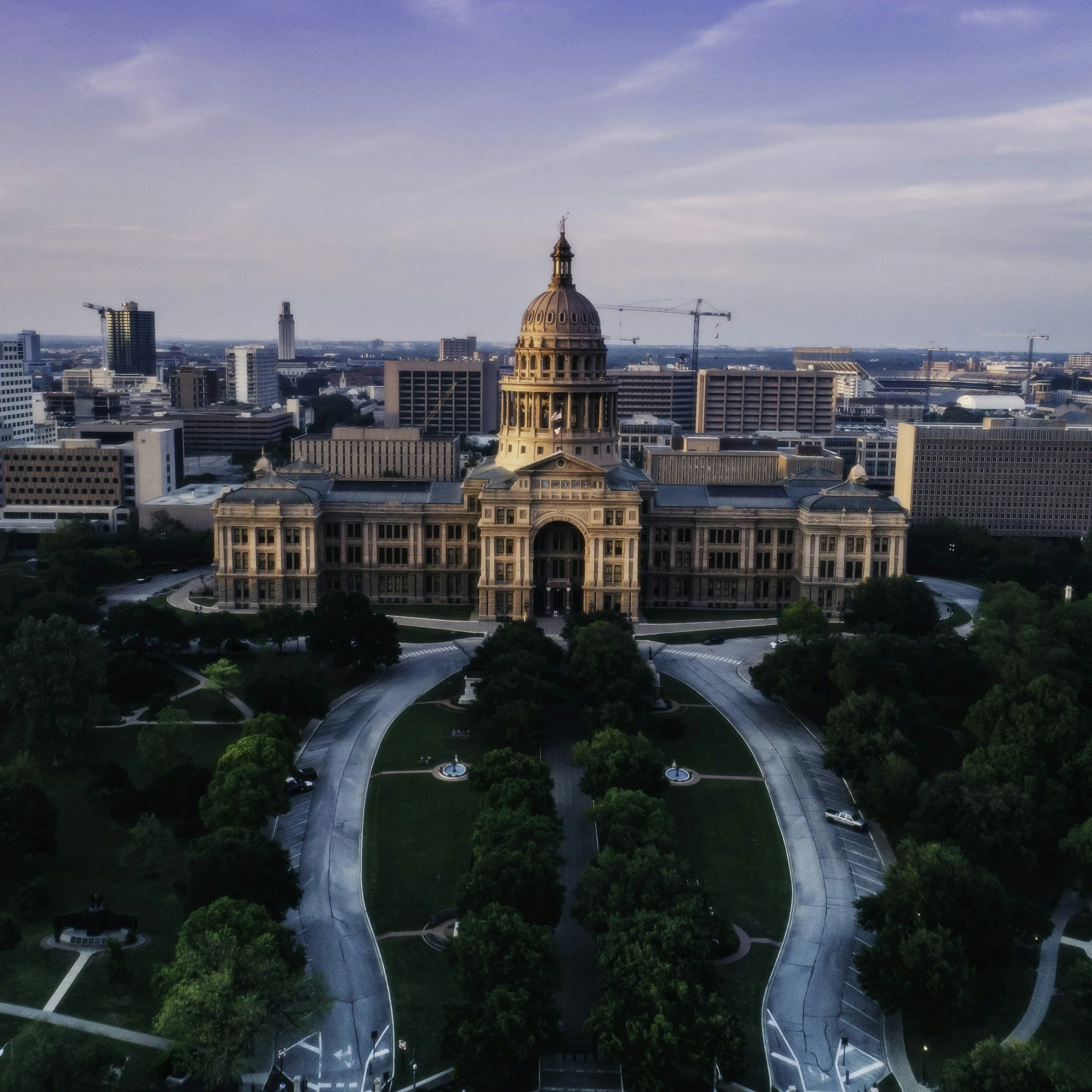
The Capitol: taller than the US capitol building in DC, it’s surprisingly open and doesn’t take too long to stroll through
Mount Bonnell if you’d like a hike or The Oasis if you’d like to drive: both good overlooks with the big skies Texas is known for
Texas dance halls: Continental Club or the Broken Spoke are the classics for authentic Texans being unpolished and genuine
Barton Springs and Umlauf Sculpture Garden: small garden near our natural springs that makes for a good afternoon with swimming, a picnic, and a stroll through the quiet walking paths
Zilker: our largest city park, it’s worth checking to see if there are any events happening while you’re here, alongside its adjacent Botanical Park
SXSW 2026 Guides
Austinites are helpful folk. Here are a few guides others have put together full of gems and recommended events.