
US Healthcare Commercialization 101
two virtual sessions 7 & 9 - october 13:00 - 17:00 cet plus one 1:1 sparringThe foundations of US healthcare made easy to understand for entrepreneurs wanting the most important basics
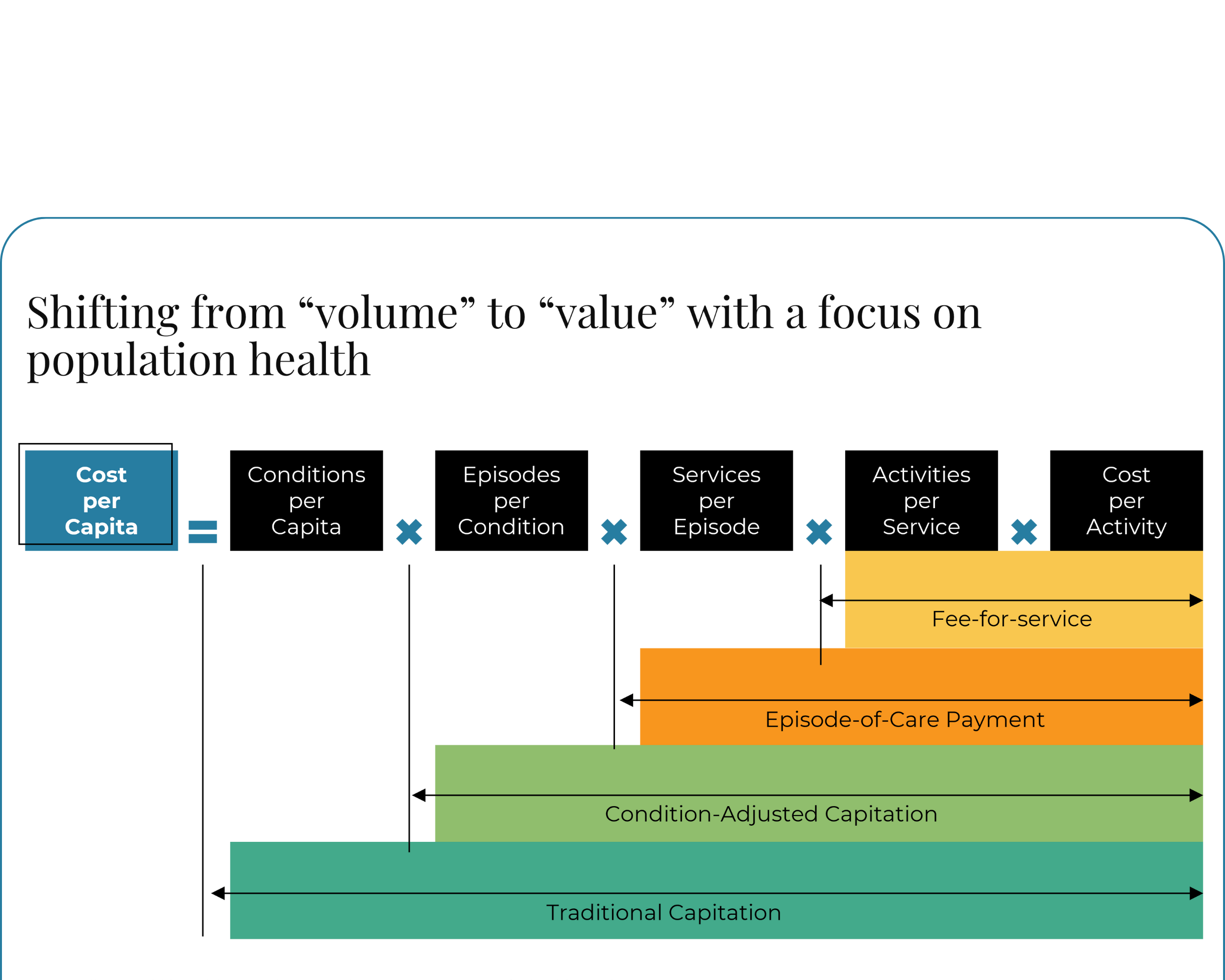
Learn how the spectrum of US healthcare systems work, from fee-for-service to value-based care and all that sits between.
7 & 9 october

You’ll leave equipped to determine where your business has the best potential impact in the US
The essentials applied to what you need to know most: how to determine your GTM; structure your business model to may early revenue easier; and how to read the landscape so you can be surprisingly efficient.
Actual context
Contextualized information so you understand the systems and models
Objective
Nothing is sugarcoated here. You’ll learn how this really works.
Case studies
Real-world case studies covering revenue and disruptive tech
1:1 support
Every company gets dedicated 1:1 sparring during the program.
Straight to the point for entrepreneurs with limited time and bandwidth
From open discussions to working real-world case studies together, we apply what matters most—and how to think about incentives, procurement, and competitive edges in different models—so you can spend your time efficiently. We cover theory but applied to action, alongside what you can expect when you prepare for delegations and market visits, translating pilots to adoptions, and how to think about generating revenue pre-reimbursement.
Session 1
7 October
Session 2
9 October
Private 1:1
TBD
Course Schedule
autumn 2026 application deadline is october 5These sessions are designed based on the last decade of what European companies need to know to scale into the US in an effective manner: where and how the value propositions are actually adoptable, what evidence from European markets tends to resonate, and how to make decisions on the go. The course is appropriate for those who are evaluating the opportunity of going to the US and are in the early stages of planning; this will give you the fundamentals of deciding go/no-go to the US (and if “go” how to do so).
You won’t learn everything about the US market, but you’ll learn what you need to determine your next steps based on the real-world landscape of 2026.
US healthcare buyer map and three value currencies: who buys, how US health economics work, how the three value propositions are calculated
Targeting between fee-for-service and value-based care in aligning actual competitive edge with a model that US buyers can adopt
Evidence that survives scrutiny by value analysis committees and procurement partners (outcomes, workflow, budget impact, implementation burden)
Go-to-market paths that reduce burn (three early architectures and how to make decisions between direct early adopters, strategic partners like distributors, and hybrid soft entry; as well as the basic structures those involve
Each company can schedule one private 1:1 sparring/soundboarding session during the months of October and November for straightforward advice and answers
all sessions are held virtually 14:00 - 18:00 eet / 13:00 - 17:00 cet. FAQs
-
European healthcare entrepreneurs who want to get an intense, accurate understanding of the US market as it relates to their commercial planning. If you have a passing familiarity with the US healthcare market, this will help you contextualize quite a lot.
-
Unlike courses that just teach the same endless sprawl (you know the drill: reimbursement overviews that are just acronyms from consultants, legal overviews that are really pitches from law firms, etc), this is designed to help European companies find commercial success in the US.
European healthcare models value and incentivize things differently, which means that what’s successful in Finland or Germany will have a different value shape and a different business model.
These value props and models don’t line up with most of traditional US healthcare. Unfortunately, most US organizations don’t realize this because they aren’t familiar with how systems outside of the US work. They try to force US models that either don’t reflect the value prop rewarded in the home market or they guide companies into a long cycle that is expensive and doesn’t ultimately reward a competitive advantage.
This is true around the world, but this course is aligned with models from the UK to Estonia and made compatible with those time zones.
-
No, in fact, this course is most useful to you 6-12 months before you think you might want to approach the US. The reason being twofold:
You’ll learn how to target to your value proposition and economic model (which may not be going to reimbursement first!)—and this will inform any remaining studies and pilots you may be doing in the meantime.
This course shows what really happens in the trenches: what gets adopted, how, and why. The US may or may not be your next best economic move. This course will help you determine how to order your market expansion by cost-of-acquisition and opportunity.
-
No, just come with the willingness to absorb a lot of information quickly, work case studies, ask critical questions, and put the material to work. No knowledge of healthcare systems is assumed.
-
Of course not. But it will give you a very practical understanding of how the US landscape works and the key information you’ll need to know to make informed commercial decisions. For deep dives, we offer courses you can take quickly in specific areas you feel you need more insight, such as our Pricing and Profit class that reveals the wild way margins work on the other side of reimbursement and value-based contracting. The next step would be to apply to the Boardroom, which is for companies actively scaling into the US.
-
The course is in four sessions of 1.5 hours—and it’s intense, though as far as we know, we’ve never made anyone actually cry.
Instead of teaching everything you might ever need to know, this is very specific to what’s useful to healthtech entrepreneurs evaluating their commercial opportunities. Basically, we took all the fluff out. No one has time for that.
You can expect to spend about an hour after each session reviewing the material and mentally preparing for the next. We’ll work through real-world case studies and apply information to your own companies, which you’ll discuss with the Venture Atlas Labs team in your private 1:1. How much you put into it is up to you; what you put in is what you get out of it.
-
It’s $1,200 (about €1.015). We offer group discounts for 3 or more (email through the contact form or to Elizabeth directly). We also offer discount codes to our partners for their companies. You can always email us to check if your trade agency, cluster, science park, or university have partnered for a code.
-
This course is applicable to everyone in:
Medtech (medical devices)
Software / digital health
Biotech / pharma
-
Reach out here and we’ll get back to you as soon as possible.
Current Affairs
Join to hear what actually matters, get critical context, and discuss the signals among the noise from within the US. We provide context and candid insights to make sense of geopolitical shifts, regulatory changes, and reimbursement moves so leaders can separate noise from impact.
Ongoing · Application Required
Other courses that might interest you…
Uncertainty + Decision-Making under Fire
Learn how to make high-stakes decisions with incomplete information under pressure. We share a practical decision framework to think about risk, uncertainty, and how to manage short- and long-term situations that continue to evolve.
Autumn offering TBD
Profit + Pricing in US Healthcare
This is a straightforward and intense workshop covering pricing, margins, and payer mixes. You’ll leave with an understanding of how the real calculus works, what figures come with risky caveats, and how to structure your asks.
Autumn offering TBD